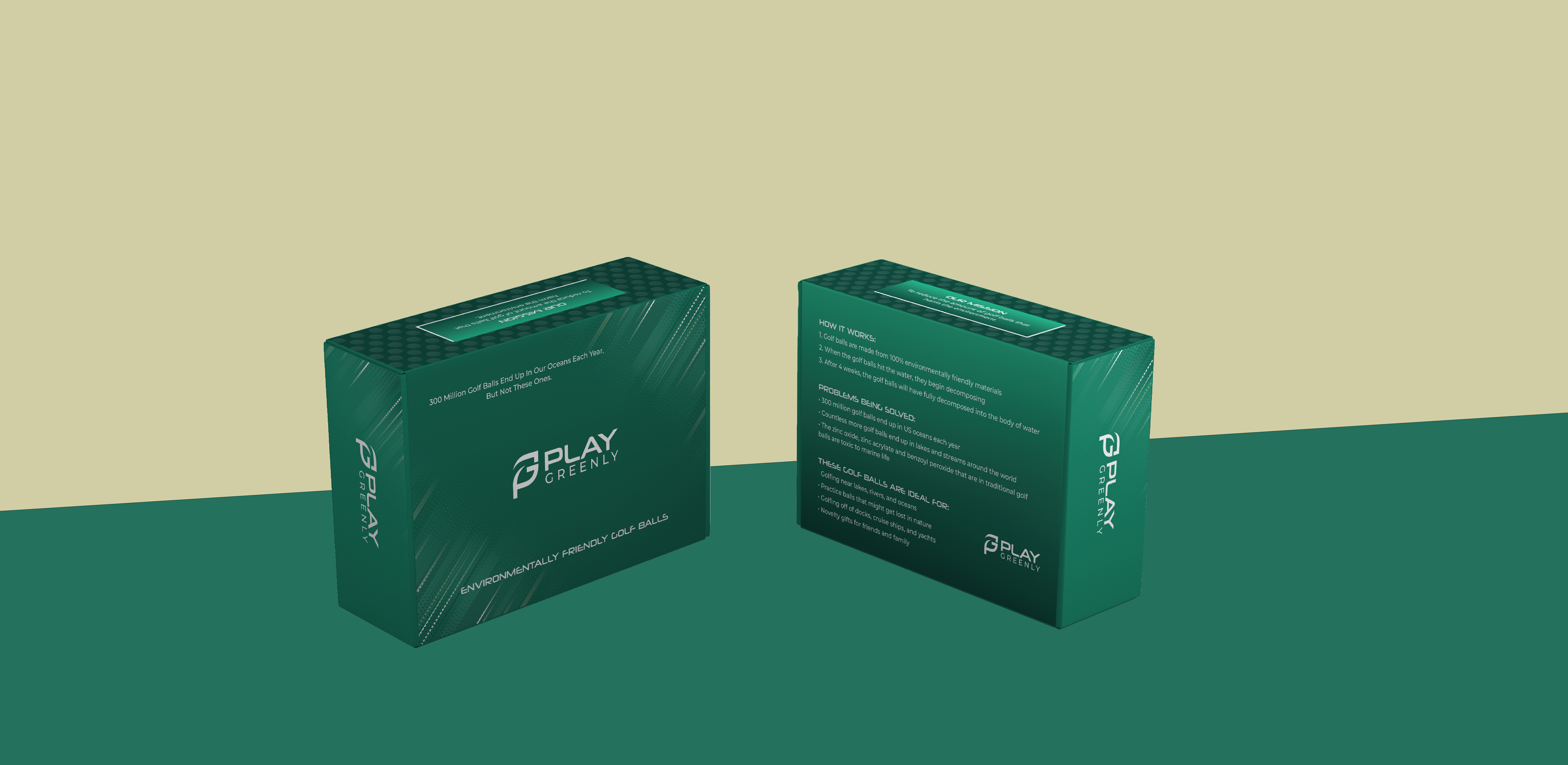
The practical answer: set no more than five event promises, map the waste at registration, warm-up, on-course, and food service, keep official scoring on rules-appropriate balls, use site-approved non-scoring activations, and report what actually happened instead of claiming “zero waste.”
If you are planning a charity scramble, corporate outing, or club member-guest day, you already have a logistics checklist: format, sponsors, registration, F&B, and player experience. What most outing guides skip is the lower-waste layer—how to cut single-use plastic, handle water activations honestly, choose swag that matches the story, and report something credible to sponsors without pretending you run a stadium zero-waste program.
This guide is a practical bolt-on for mid-size outings (roughly 72–144 players). It is not a pro-tour operations manual, not a second full planning course, and not a call to swap official scoring balls for biodegradable ones. You will leave with a one-page policy, a waste map, quick wins that still feel premium, clear rules for water demos, a swag decision tree, sponsor talking points without overclaim, and a natural path to bulk eco balls for non-scoring activations.
Who this guide is for
This checklist is written for people who own the outing run-of-show: nonprofit fundraisers building sponsor decks, corporate event or CSR leads who need the day to match ESG messaging, club tournament chairs running member-guest or ladies’ day formats, and resort or marina venues hosting demos near water.
It is not written for pro-tour operations teams, stadium-scale zero-waste logistics crews, or individual recreational golfers shopping only for personal practice balls. If your host course is already advancing irrigation, habitat, or cart programs, partner with them—and use Play Greenly’s guide on how golf courses can go green as a separate conversation from one-day outing waste.
For course-level greening ideas to discuss with your host club, see 7 ways golf courses can go green.
Set a one-page sustainability policy
Before you rewrite the player gift bag, write five sponsor-ready promises max. A short policy keeps the green story credible and stops last-minute greenwash. Charity outing guides already emphasize committee structure, budget, and sponsors; your job is to bolt sustainability onto that skeleton—not replace it.
Most charity golf planning content focuses on format, budget, and sponsorship packages—see, for example, Gator Trace Country Club’s how to plan a successful charity golf tournament overview—while saying little about waste streams. Your one-pager fills that gap.
Five promises that fit a mid-size scramble
- We will offer refill water stations and reduce single-use bottles wherever the venue allows.
- We will label recycling and, if available, compost streams at registration, the range, and F&B.
- We will prefer reusable or digital scorecards and minimize disposable signage.
- Water activations and demos will use practice-appropriate eco balls only—not official scoring balls—and will follow site rules and permits.
- Leftover food and unused swag will be donated or redistributed when safe and allowed.
Print the policy on the sponsor one-sheet and player email. If you cannot keep a promise, cut it. Credibility beats a long list no one can execute.
Map the waste streams of a scramble
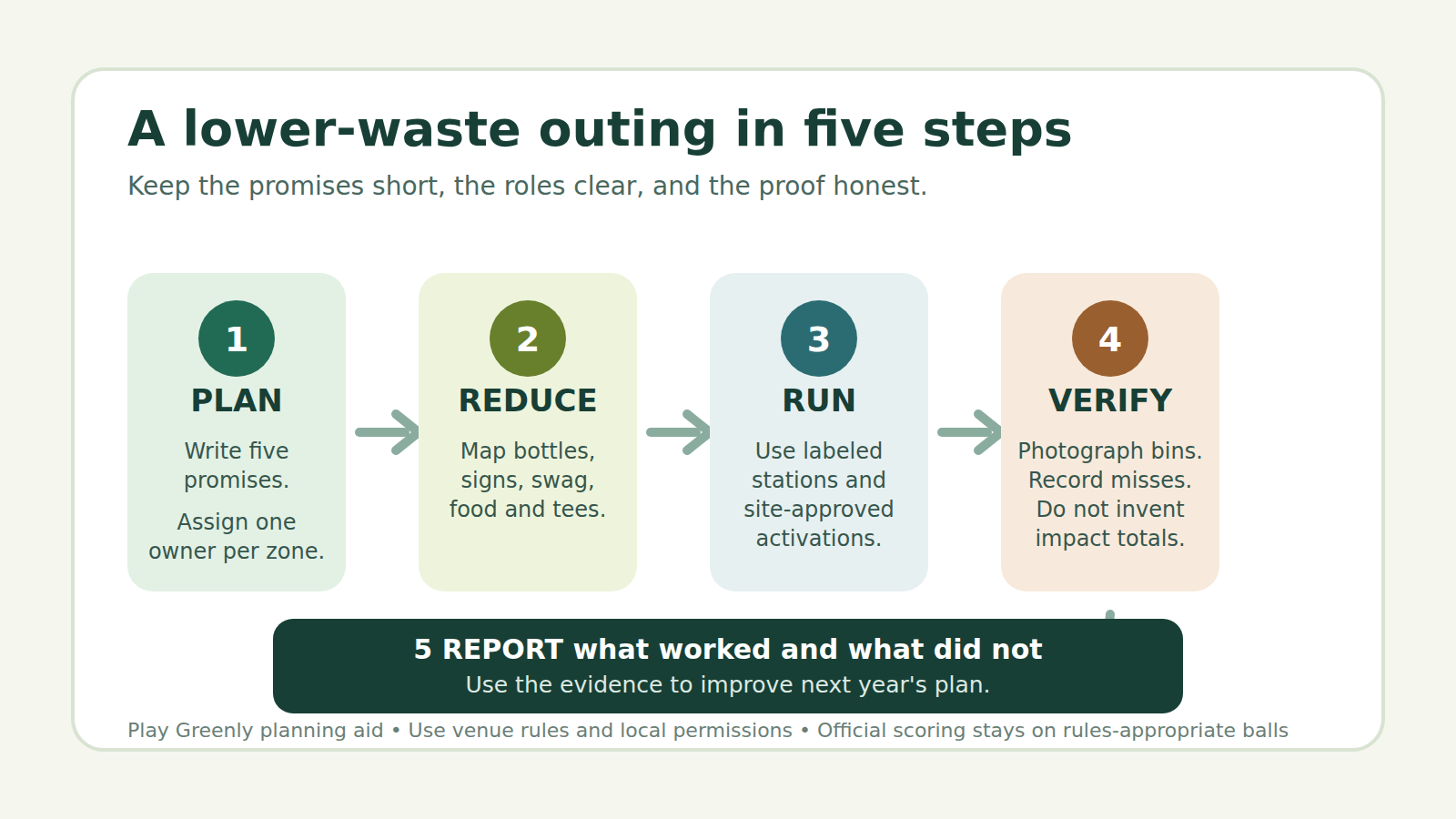
Planning aid: make the commitments before the event, assign owners, and use end-of-day evidence to improve the next outing.
Generic sustainable-event advice still applies—less single-use plastic, planned food waste, and greener procurement—but a golf day has its own choke points. Horizontal guides such as EventGroove’s overview of how to plan a sustainable event cover water stations, disposables, and food planning; localize those levers to the scramble map below.
Useful general framing: how to plan a sustainable event (EventGroove). Scale the ideas to one-day golf, not a multi-day conference.
Registration and welcome
- Printed packets, plastic badges, and poly mailers for gifts
- Bottled water in the welcome tent
- Unused sponsor literature left on tables
Range and warm-up
- Range-ball volume and lost practice balls
- Plastic tees, sleeve wrappers, and single-use cups
On course
- Cart signage, hole-sponsor foam boards, and zip-tie waste
- Beverage carts stocking bottled drinks and straws
- Lost conventional balls in water hazards during skill contests
F&B and awards
- Plates, cutlery, and uneaten buffet volume
- Awards packaging and leftover logo merchandise
Walk the map with the clubhouse manager two weeks out. Assign one owner per zone. Measurement can be simple: photo the bins at the end of the day, note what overflowed, and capture one diversion story for the sponsor recap—without inventing tonnage or carbon math.
Quick wins that still feel premium
High-profile tournaments publish formal diversion and recycling programs. Those stories are inspirational, not copy-paste playbooks for a 100-player charity day. Coverage of structured golf-tournament recycling programs and public sustainability pages from charity-linked events show that diversion tracking and procurement policies are possible at scale—your job is to adapt the ideas, not the stadium machinery.
For inspiration only, see Sustainable Golf’s piece on setting new standards for golf tournament recycling and the Principal Charity Classic sustainability program. Do not treat mega-event diversion rates as guarantees for your outing.
Premium-feeling moves that do not need a stadium budget
- Staffed refill stations with branded reusable cups or clearly labeled compostable cups if reusables are not realistic
- No-straw default; straws only on request
- Reusable or digital scorecards with a small paper backup stack for players who want one
- Clearly labeled recycling and landfill pairs at registration, nine-turn, and awards
- Leftover food donation plan confirmed with F&B before the event day
- Reusable hole signs or shared sponsor frames instead of one-and-done foam boards where the club allows
- Player email that explains the five promises so the green story feels intentional, not improvised
These moves read as thoughtful hospitality. They also give sponsors a clean narrative without overclaiming “zero waste.”
On-course plastics: tees, bottles, range balls, and scoring
Official scoring should stay on rules-appropriate golf balls. Play Greenly biodegradable and dissolvable balls are positioned for recreational and practice use—not as the ball of record for competition play. That boundary protects players, rules integrity, and product honesty.
Confirm product positioning on the Play Greenly biodegradable golf balls page before you print activation copy. For materials context without re-teaching chemistry in this checklist, link players to what biodegradable golf balls are made of.
Where to cut plastic without touching the scorecard
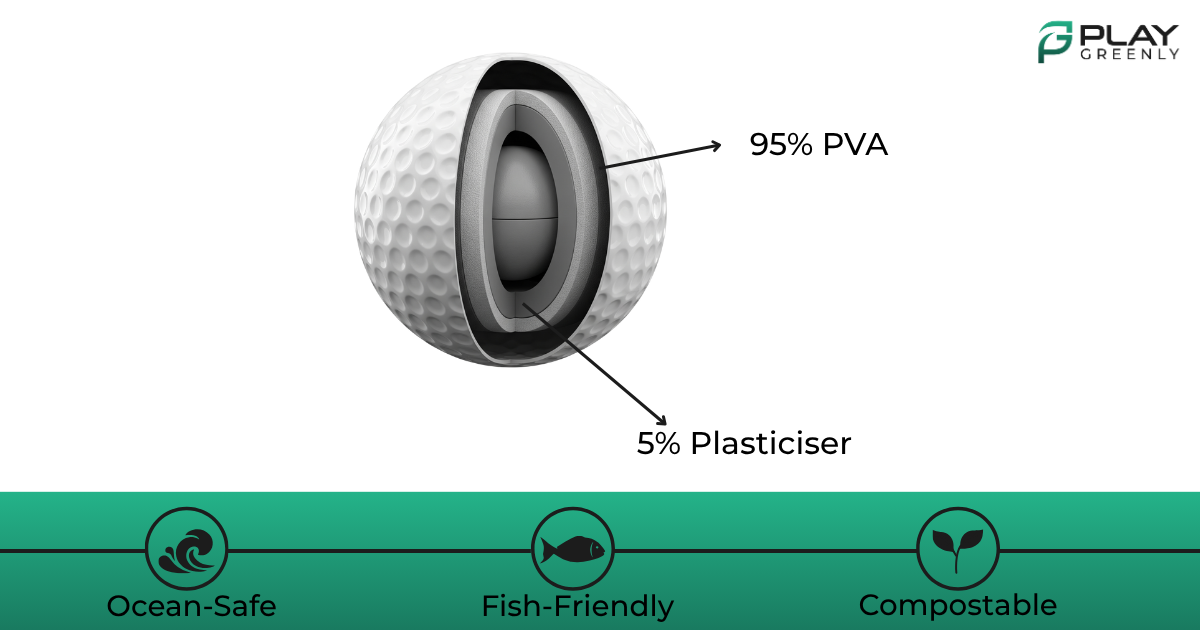
Product context: use practice-appropriate eco balls for planned non-scoring moments, not as the official tournament scoring ball.
- Offer wooden or compostable tees in the gift bag instead of bulk plastic tees
- Move beverages to cart coolers and refill points rather than handing every player two bottled waters at registration
- Keep conventional balls for the scramble round; use eco balls for warm-ups and non-scoring contests
- Ask the club whether range baskets can be shared and collected efficiently to reduce stray practice balls left in rough
The goal is fewer non-scoring plastics and cleaner messaging—not a rules fight on the first tee.
Water activations done right
Water holes create the photos sponsors love and the plastic risk planners underestimate. Conventional balls left in lakes and ponds can persist; that is why a water activation needs a deliberate product choice, a retrieval-first mindset, and site permission. Eco balls are intended to reduce long-term persistence versus conventional plastic when retrieval is impractical—they are not wildlife feed, and they do not authorize illegal dumping.
For more on plastic balls left in water hazards, start with why plastic golf balls in lakes matter. For waterfront practice formats, see dissolvable golf balls for docks and marinas.
Activation formats that fit eco balls
- Closest-to-the-pin or floating-target contests that are explicitly non-scoring
- Dock, marina, or resort demos with clear site policies
- Range warm-ups before the official round
- Charity ball-drop style spectacles only where the venue and local rules allow
Activation checklist
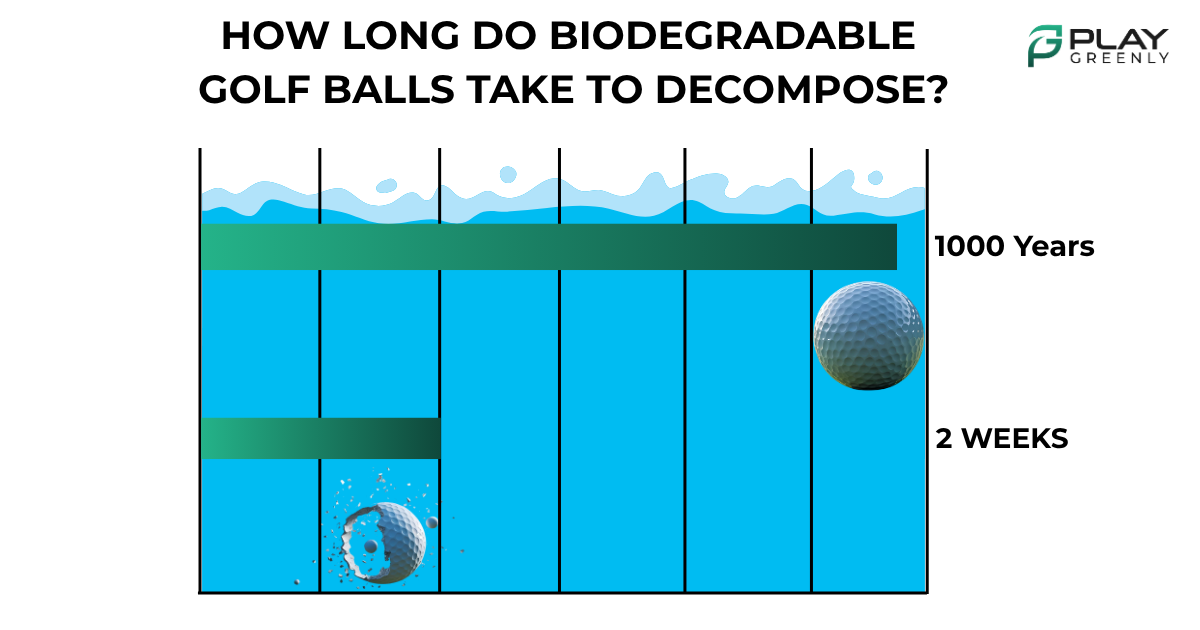
Water activations still require venue approval, controlled quantities, and retrieval where practical.
- Get written okay from the club or marina for the format and ball type.
- Mark the contest as non-scoring on the rules sheet and marshal cards.
- Stock only the number of eco balls needed for the activation—not a free-for-all sleeve for every player to fire into water.
- Plan retrieval for floating targets, shoreline miss-hits, and leftover sleeves.
- Brief volunteers: no “it’s fine, they dissolve, just hit them in” improvisation.
Some charity outings already market floating-target formats with biodegradable balls. Treat those as format proof, not permission to ignore permits on your site.
Swag that matches the story
Branded golf balls remain a default corporate and charity giveaway, and planners already budget for them. That does not mean every player must receive a plastic logo sleeve by default. Match the gift to the promise on your one-page policy.
Industry commentary continues to frame logo balls as high-ROI tournament merchandise—for example Resident’s piece on the return on a branded golf ball. Use that reality as a decision tree, not a moral lecture.
Swag decision tree
- Hole prizes and activation balls: eco sleeves that reinforce the sustainability story
- Serious-player thank-you gifts: optional conventional logo sleeves if sponsors insist and players will actually use them
- Default registration gift: choose one hero item (eco sleeve, reusable bottle, or quality tee set) instead of five disposable trinkets
- Leftovers: redistribute to volunteers, junior clinics, or next year’s raffle rather than landfill
If the sponsor story is “lower waste,” a single thoughtful eco gift beats a bag of plastic that gets left in the parking lot.
Sponsor talking points without overclaim
Sponsors fund the day; they also share the reputation risk. Give them language that is true at your scale.
- We set a short public sustainability policy and staffed the waste points that matter for a scramble.
- We reduced single-use bottles and disposable scorecards where the venue allowed.
- Water activations used practice-appropriate eco balls and followed site rules—we kept practice eco balls off the official scorecard.
- We will share a simple end-of-day note on what worked (and what overflowed) so next year improves.
Avoid absolute environmental guarantees and unverified “certified zero-waste” labels unless you hold a named, current third-party certification you can show sponsors. Flagship events use multi-year sustainability program stories; your outing can still be honest, measured, and better than last year.
Limits and trade-offs
A lower-waste outing is not automatically a zero-waste event. Venue contracts, local rules, food-service systems, player preferences, and available waste infrastructure may limit what changes are practical. Keep official scoring on rules-appropriate balls, get written approval for special activations, retrieve materials where practical, and report only the outcomes you actually observed.
Order bulk biodegradable balls for your outing
Once warm-ups, skill contests, and water demos are on the run-of-show, estimate the balls you need for those non-scoring moments only. Organizations, clubs, corporate events, and tournaments can request volume through Play Greenly’s bulk order form. Pricing and delivery lead times are confirmed by the sales team after you inquire; plan ahead and wait for their reply before promising ship dates in player emails.
Request bulk biodegradable balls for demos and activations via the homepage bulk form: request a bulk order. Product details live on the Play Greenly biodegradable golf balls page.
Order for the activation plan you can staff—not for every tee shot of the official round.
FAQ for tournament organizers
Can we play the official tournament round with biodegradable golf balls?
No for official scoring. Play Greenly biodegradable and dissolvable balls are for practice, recreational, and non-scoring activations—not for tournament or tour-level scoring play. Keep rules-appropriate balls for the scramble scorecard.
Where do eco balls fit in a charity or corporate outing?
Use them for range warm-ups, skill contests, floating-target or dock demos, and charity ball-drop style activations—anywhere the shot is not the official scoring ball and site rules allow it.
How do we reduce waste without a stadium budget?
Scale the ideas, not the mega-event machinery: labeled recycling and compost bins, refill stations instead of single-use bottles, reusable or digital scorecards, leftover food and swag donation, and measured simple diversion notes for sponsors.
Should every player receive plastic logo balls as swag?
Not by default. Logo balls still dominate giveaways, but eco sleeves work well as hole prizes, activation balls, or gifts that match a green story. Some serious players still prefer conventional logo sleeves—offer a decision tree, not a lecture.
How do we order bulk biodegradable balls for an event?
Organizations, clubs, corporate events, and tournaments can request volume through Play Greenly’s bulk order form on the homepage. Pricing and delivery lead times are confirmed by the sales team after you submit—wait for their reply before promising ship dates to players.
Conclusion: a greener outing without the greenwash
A lower-waste golf tournament is mostly disciplined hospitality: fewer disposable defaults, clearer ownership of waste zones, honest product use at water and warm-up, and sponsor language you can defend. Keep official scoring on rules-appropriate balls. Use biodegradable and dissolvable balls where they belong—practice, demos, and non-scoring activations with site approval. Write five promises, walk the waste map, and order bulk eco balls only for the moments you will actually run.
When you are ready to stock those activations, request a bulk order and build the day your sponsors can stand behind.