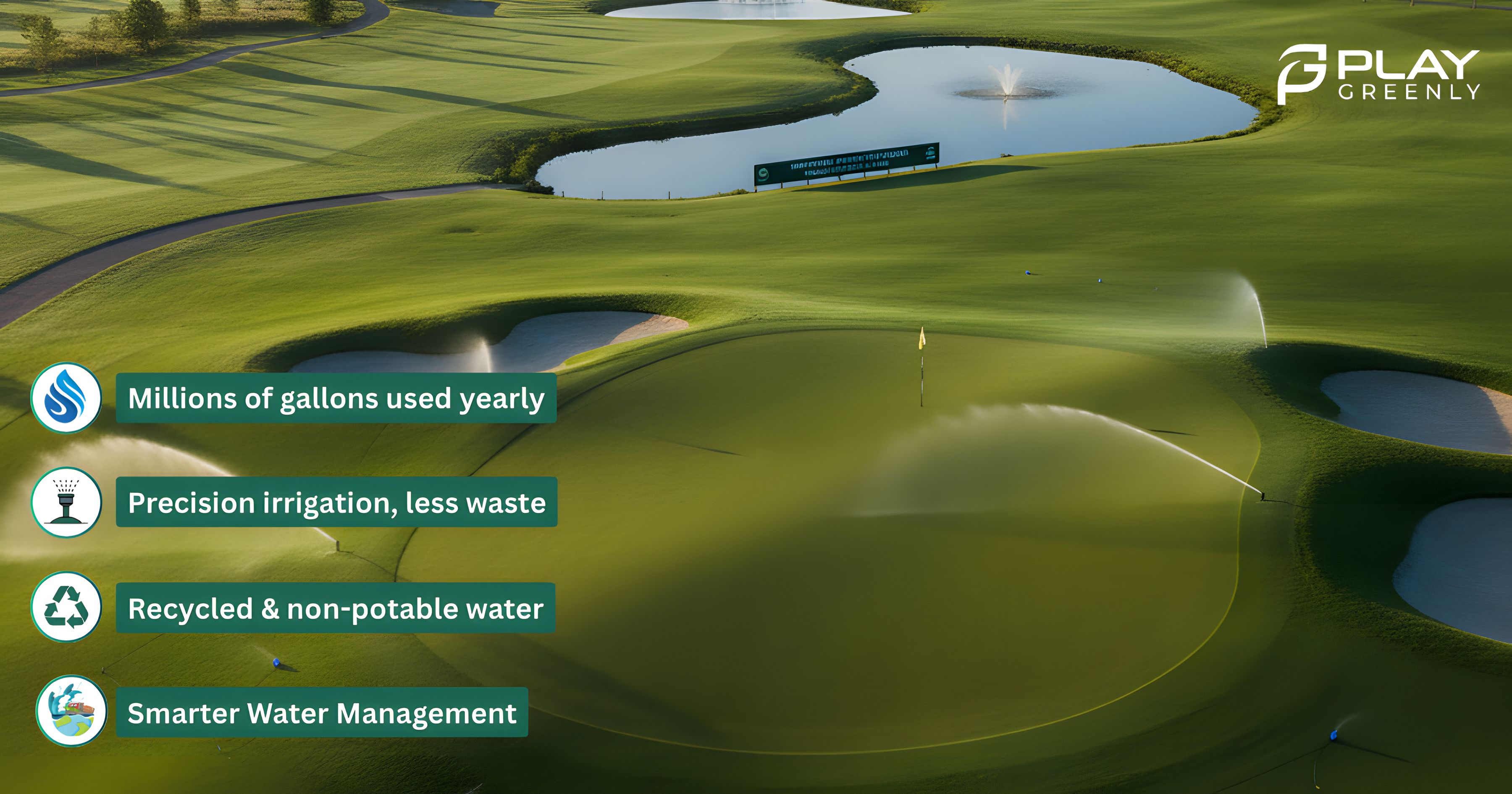
Golf has always carried a reputation for wide fairways, lush greens, and heavy resource use. From millions of gallons of water poured onto turf to plastic balls sinking into ponds, the game’s environmental footprint has long been debated. But here’s the truth: going green doesn’t mean losing players.
Across the U.S. and worldwide, eco-friendly golf courses are showing that sustainability and playability can go hand in hand. Smart irrigation, native vegetation, and reduced chemicals not only protect the planet, they actually make the game more enjoyable for eco-conscious golfers.
In this guide, we’ll break down 7 practical ways courses can adopt sustainable golf practices without sacrificing quality, player experience, or business growth.
Way 1: Smarter Water Management
Golf courses are notorious for high water usage, but going green doesn’t mean letting fairways turn brown. Smarter water management ensures that courses stay lush while cutting waste.
Why water use matters in golf courses
An average 18-hole course can consume millions of gallons of water annually. In drought-prone areas, this can create conflict with local communities and strain natural resources.
Smart irrigation systems in action
By installing precision sprinklers and soil-moisture sensors, courses only water the areas that need it, when they need it. This reduces waste while keeping the greens healthy.
Recycling and alternative water sources
Some modern courses now use recycled or non-potable water for irrigation. This not only saves drinking water but also sets a strong example of responsible management.
Did You Know?
Some golf courses cut water use up to 50% after switching to smart irrigation and drought-tolerant turf.
Way 2: Choosing Native Vegetation
Maintaining perfect green turf across hundreds of acres looks good but isn’t always eco-friendly. By using native plants, golf courses can save water, reduce chemicals, and still look beautiful.
Why native plants matter
Native grasses, shrubs, and trees are naturally adapted to local soil and climate. This means they need far less watering and maintenance compared to imported species.
Supporting biodiversity on the course
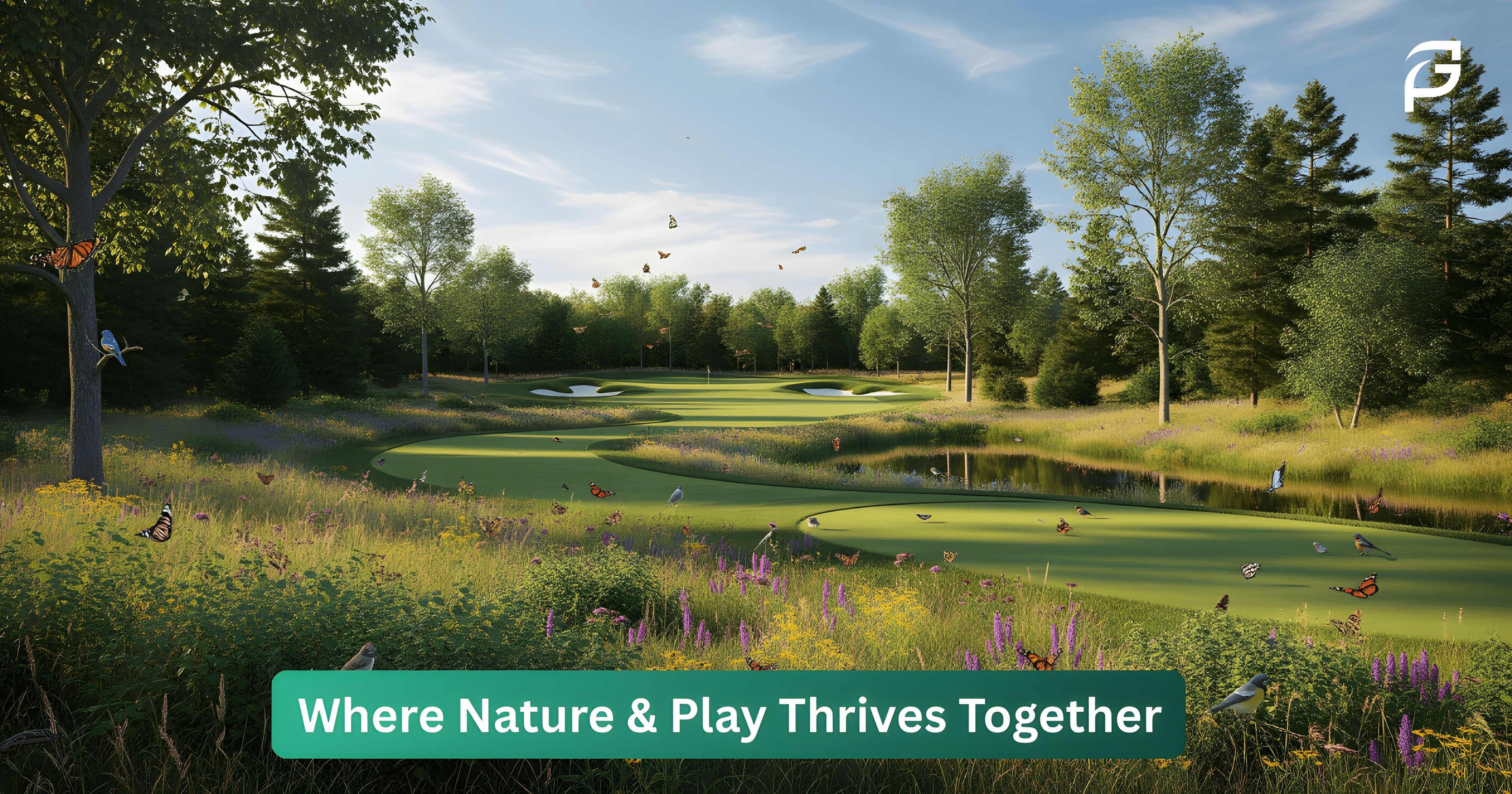
Adding native vegetation turns a golf course into a mini sanctuary for birds, butterflies, and pollinators. It not only reduces costs but also builds goodwill with eco-conscious players who value nature.
Balancing aesthetics and playability
Some managers worry native plants will make the course look “wild.” In reality, smart design keeps fairways open for play while landscaping the edges with native species — blending performance with sustainability.
Way 3: Reducing Chemical Use Safely
One of the biggest environmental risks for golf courses comes from overusing fertilizers and pesticides. These chemicals may keep turf green, but they also seep into soil and waterways, harming fish, birds, and even human health.
The hidden cost of traditional chemicals
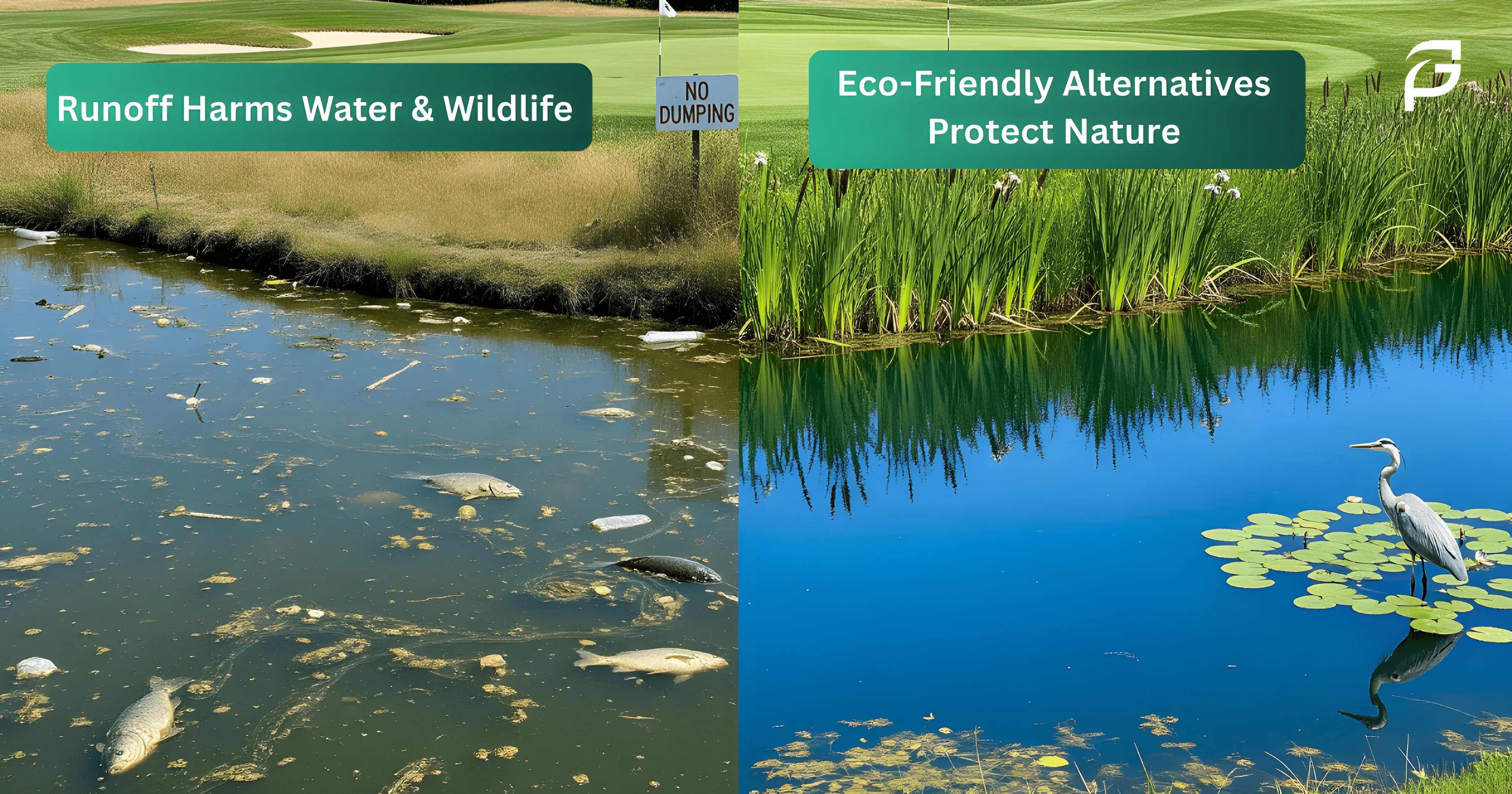
Chemical-heavy management often leads to runoff pollution, where rain washes fertilizers and pesticides into ponds and streams. This can trigger algae blooms and reduce water quality, creating a negative impact far beyond the course.
Eco-friendly alternatives that work
Modern courses are shifting toward organic fertilizers, slow-release nutrients, and biological pest control. These alternatives reduce toxicity while still protecting turf quality. Many clubs report that, after an adjustment period, their greens remain just as healthy without heavy chemicals.
Setting a safer example for the community
Reducing chemicals isn’t just about the environment, it’s also about reputation. Players, staff, and local communities notice when a course prioritizes safety. Eco-friendly practices build trust and position the course as a leader in responsible recreation.
Way 4: Eco-Certifications That Build Trust
Going green isn’t just about action, it’s also about proving those actions to players, regulators, and communities. That’s where eco-certifications come in.
Why certifications matter for golf courses
Any course can claim to be “eco-friendly,” but independent certifications add credibility. They show golfers and stakeholders that sustainability efforts are verified, not just marketing.

Recognized programs for golf sustainability
Two of the most respected certifications are the Audubon Cooperative Sanctuary Program and GEO Certified®. These programs assess water management, wildlife habitat, energy use, and overall sustainability practices. Courses that meet the standards earn badges that resonate with eco-conscious players.
Building trust and player loyalty
When golfers see certifications displayed at the clubhouse or online, it signals transparency and responsibility. This not only boosts reputation but can also increase player loyalty, as modern golfers increasingly choose experiences that align with their values.
Way 5: Energy-Efficient Clubhouses and Carts
Golf courses consume a lot of energy, from powering the clubhouses to running maintenance equipment. But by switching to energy-efficient solutions, courses can cut costs and reduce their carbon footprint, all while maintaining the player experience.
Energy-saving upgrades for clubhouses
Modern golf clubhouses incorporate solar panels, LED lighting, and energy-efficient HVAC systems. These upgrades reduce electricity bills and help make the entire operation more sustainable. For courses in sunny regions, solar panels can even generate enough energy to power the entire clubhouse during the day.

Switching to electric golf carts
Electric carts are a cleaner alternative to gas-powered models. They not only reduce emissions but also provide a quieter, more enjoyable ride for golfers. Many courses are gradually replacing their old gas-powered carts with electric ones, often seeing significant savings on maintenance and fuel costs.
The long-term financial benefits
Though the upfront cost for electric equipment and green technologies may be higher, they pay off over time through lower utility bills, less maintenance, and a positive reputation. Players are more likely to support courses that invest in sustainable infrastructure, making the course a more attractive destination.
Pro Tip:
Adding native plants around ponds not only saves maintenance costs but also creates natural buffer zones against runoff.
Way 6: Highlighting Hidden Environmental Benefits
Golf courses have an image of being resource-heavy, but when managed properly, they can be incredible assets to the environment. Beyond the greens, courses can contribute to wildlife habitat preservation, stormwater management, and even local climate regulation.
Natural stormwater management
Golf courses, with their ponds and open spaces, act as natural stormwater reservoirs. During heavy rainfall, they absorb runoff, filtering out pollutants before the water flows into nearby rivers or streams. This can significantly reduce the risk of flooding in surrounding areas while keeping local water sources cleaner.
Creating wildlife-friendly environments
By integrating native plants, trees, and water features, golf courses turn into rich habitats for local wildlife. These areas become safe spaces for birds, bees, and other pollinators that may otherwise struggle to find natural habitats in urbanized areas.

Cooling urban heat islands
Urban areas often suffer from “heat islands”, where built environments trap heat, making them hotter than surrounding rural areas. Golf courses, with their wide, green spaces, help reduce this effect by cooling the surrounding area and providing a break from concrete and asphalt.
Way 7: Education and Communication with Players
Making sustainability a part of your course isn’t just about implementing green practices, it’s about educating players and getting them involved in the mission. When golfers understand the environmental efforts behind their experience, they become active participants in sustainability.
Building awareness through signage and campaigns
Clear signage and information campaigns in the clubhouse and on the course can go a long way. Signs near water features explaining eco-friendly irrigation or banners on the course showing native plant areas help golfers recognize the positive changes happening around them. This awareness encourages them to support green practices.
Engaging players through digital updates
Email newsletters or course apps are perfect platforms for updating golfers on the course’s green initiatives. Regular updates on new eco-friendly practices, water-saving measures, and certification achievements can empower players to feel they’re a part of something bigger.
Creating community programs around sustainability
Courses can host sustainability days or offer incentives to golfers who engage in eco-friendly actions (e.g., carpooling to the course, using eco-friendly gear). These small programs engage golfers in ways that go beyond the game, creating a community of eco-conscious players who feel proud of their course.
A Greener Future for Golf

Golf doesn’t have to choose between tradition and responsibility. The seven strategies we’ve covered, from smarter irrigation and native vegetation to eco-certifications and clean energy, prove that courses can go green without losing players. In fact, they gain more: lower costs, healthier landscapes, and stronger ties with eco-conscious golfers.
The shift toward sustainable golf is already happening worldwide. Courses that embrace sustainability today aren’t just protecting the planet; they’re future-proofing the game for the next generation of players.
Explore how PlayGreenly
It is leading the charge with eco-friendly innovations that are shaping the future of golf. Join us in revolutionizing the game!