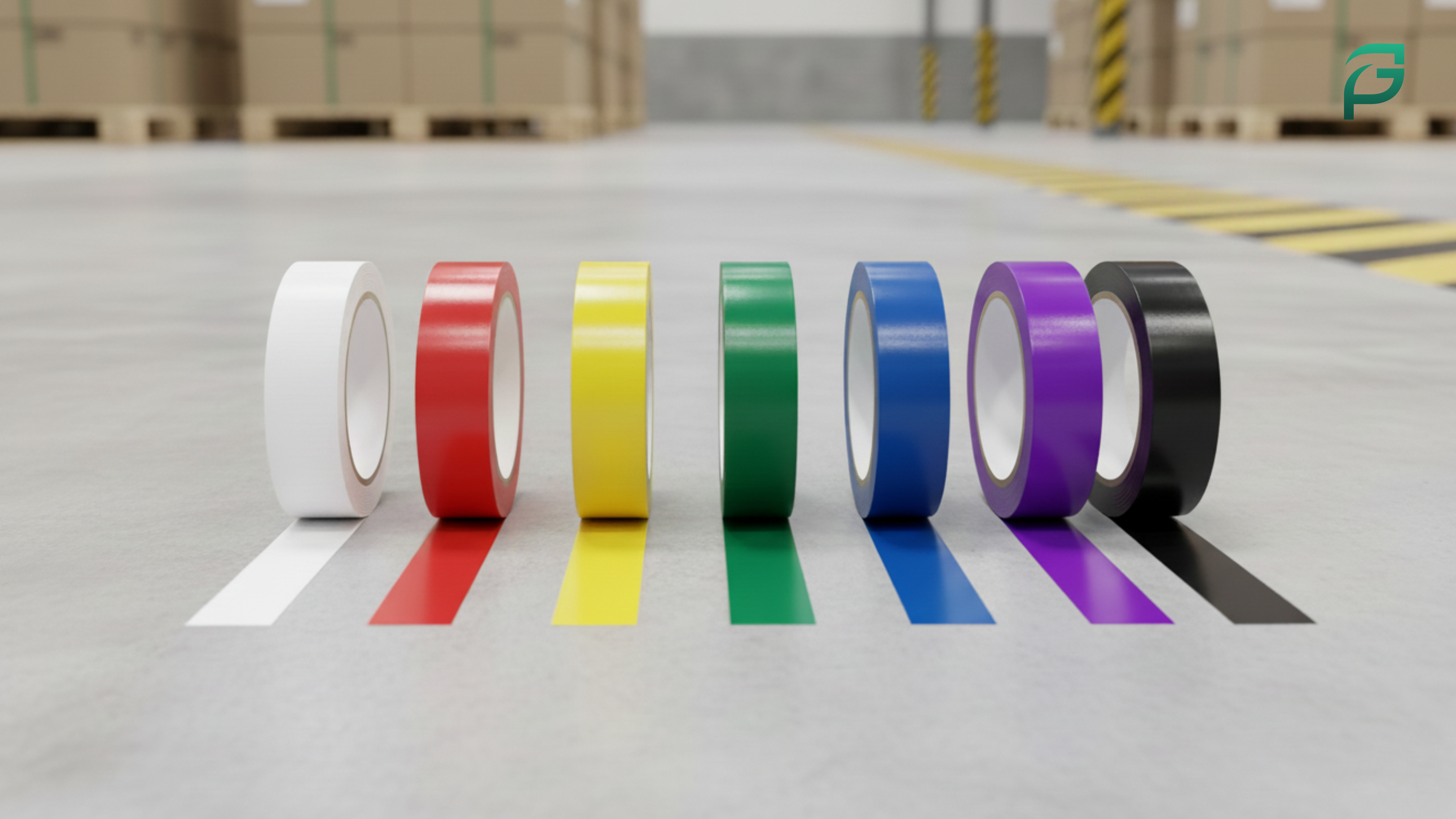
Whether you're setting up a new multi-purpose court in a community center or just want to define a practice area in your garage gym, getting the lines right is fundamental. That’s where floor marking tape comes into play. This isn't your average stationery roll of sticky tape; it's a specialized tool designed for durability, visibility, and performance. If you've ever wondered how to create clean, professional-looking sports boundaries without a permanent commitment, you're in the right place. Let's talk about what this tape is, why it's so useful, and how you can use it effectively.
What is Floor Marking Tape?
At its core, floor tape is a heavy-duty, adhesive-backed vinyl tape. Think of it as a super-powered version of the tape you might use for crafts or wrapping presents, but built to withstand an entirely different level of punishment. It's typically much wider—often 2 inches or more—which makes it highly visible from a distance.
What is Floor Marking Tape Used For?
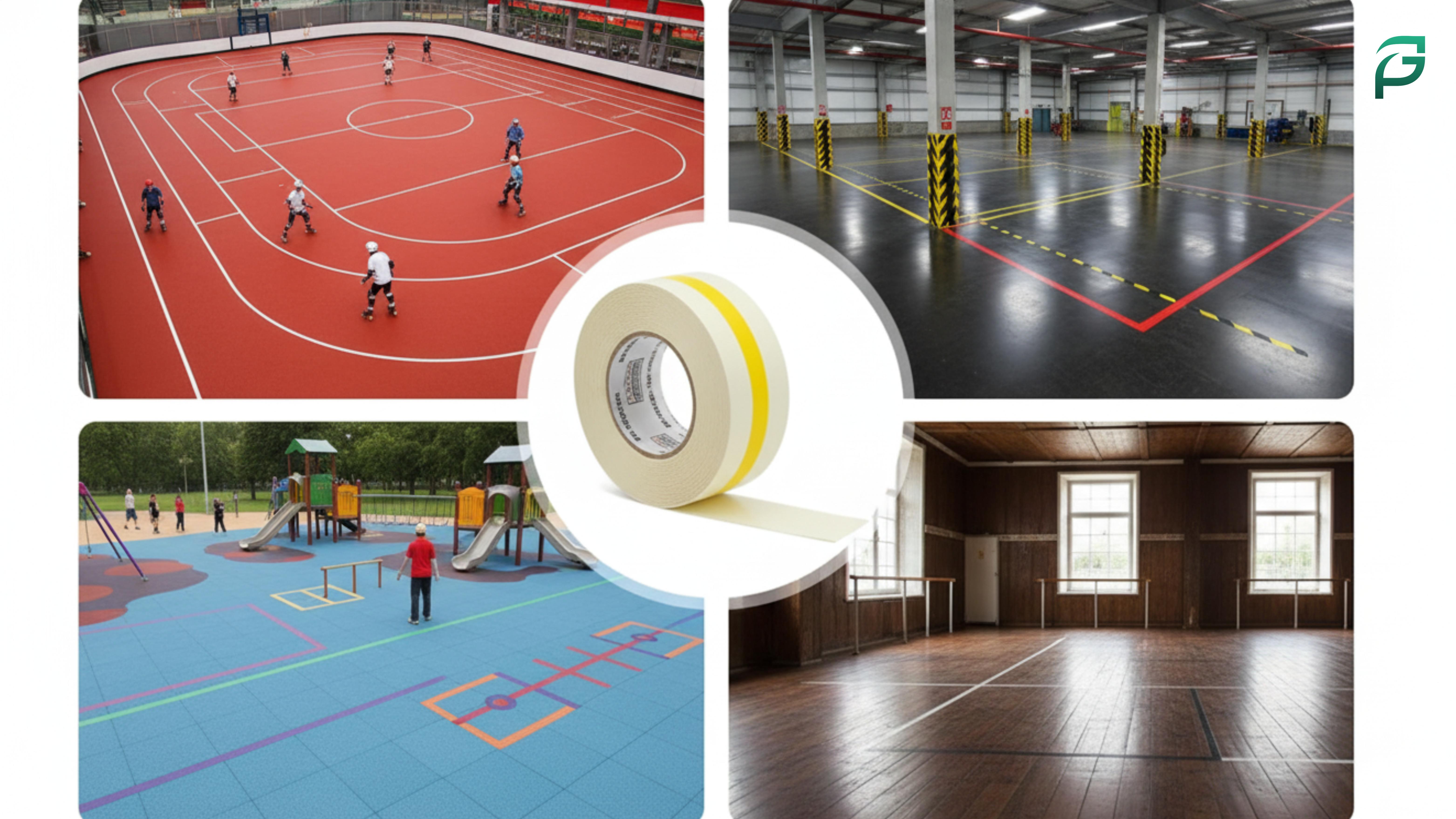
The applications for this tape extend far beyond just drawing a line. Its primary role is to create clear, unambiguous boundaries for physical activity.
The most common use is for creating multi-sport courts. A single gymnasium floor might need to host basketball, volleyball, badminton, and pickleball all in one day. Using permanent paint for all these would create a confusing mess of overlapping lines. With floor court marking tape, you can apply the specific lines for a volleyball court and then remove them after the game, revealing the permanent basketball lines underneath. This flexibility is a game-changer for schools, rec centers, and any space that needs to be a chameleon.
Beyond formal sports, it's incredibly useful for:
- Defining practice areas: Create a smaller batting cage, a solo soccer dribbling zone, or a temporary start/finish line for track drills.
- Organizing spaces: In a large gym or storage area, you can use different colors of tape to mark off equipment zones, walkways, or storage locations for specific items.
- Safety and guidance: Bright floor marking tape yellow is perfect for marking potential hazards, outlining emergency equipment locations, or creating pathways in a shared facility.
Its temporary nature means you can experiment with court layouts or adjust boundaries for different age groups without any long-term consequences.
Where to Buy Floor Marking Tape
You won't typically find the best tape for floor marking at your local hardware store next to the duct tape. For a product that needs to perform under athletic stress, you need to go to the right suppliers.
- Specialized Sports Retailers: Both online and brick-and-mortar stores that focus on physical education, school sports, and gym equipment are your best bet. They understand the specific demands of the product and often carry brands that are tried and tested.
- Industrial Safety Suppliers: Since floor tape is also used in warehouses and factories for safety marking, these suppliers carry high-quality, durable options. Just ensure the product is suitable for sports surfaces and isn't too abrasive.
- Major Online Marketplaces: Websites like Amazon have a wide variety of options. This is a convenient route, but be sure to read reviews carefully. Look for feedback that specifically mentions use on gym floors or sports courts to gauge its performance.
Pro Tip: When searching, be specific. Look for "vinyl floor marking tape for sports courts" or "athletic floor court marking tape." This will help filter out weaker tapes meant for different purposes. Always order a small test roll first to check adhesion and removal on your specific floor type.
How to Apply Floor Marking Tape
A clean application is the secret to a professional-looking court and long-lasting tape performance. Rushing this step is the most common mistake. Here’s how to get it right.
What You'll Need:
- The roll of colored floor tape
- A tape measure
- A chalk line or a long, straight ruler
- Scissors or a utility knife
Step-by-Step Process:
- Surface Preparation is Everything: This is the most critical step. The floor must be impeccably clean, completely dry, and free of any dust, wax, or oil. Sweep and mop the area first. For the best bond, go over the intended path with a cloth and some rubbing alcohol. This removes any invisible residues that could weaken the adhesive.
- Measure and Mark Your Lines: Don't just eyeball it! Use your tape measure and a chalk line to snap a straight, faint guide on the floor. For curved lines, you can use a string tied to a central point as a compass. These guides are your roadmap for a straight, accurate application.
- The Application Technique: With your guide in place, unroll the first few inches of the floor marking tape. Carefully align it with your chalk line. Instead of peeling off the entire backing at once, just remove a foot or two. Press this initial section down firmly. As you move along your guide, slowly peel away more of the backing while simultaneously smoothing the tape onto the floor with your other hand. This body: "slow and steady" method prevents wrinkles and misalignment.
- Apply Firm, Even Pressure: Once the tape is laid down, go back over the entire length and press down firmly. You can use your hand, a clean rag, or even a J-roller (a small hand roller) to ensure every inch of the tape is in full contact with the floor. This activates the adhesive and prevents early peeling at the edges.
How to Remove Floor Marking Tape
The beauty of this system is its temporary nature. When it's time to take up the tape or replace a worn section, you want to do it without damaging your floor's finish.
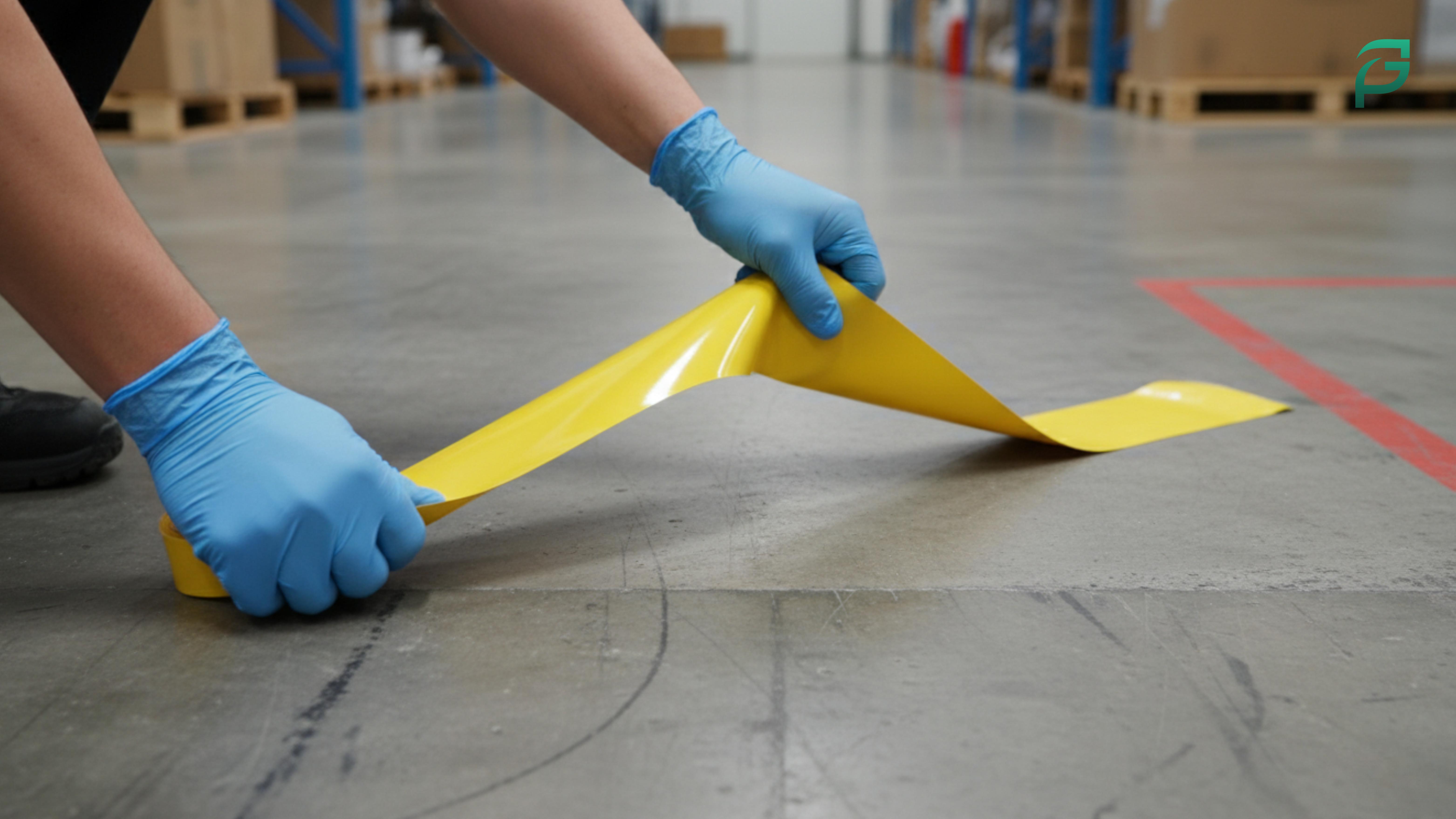
- Start at a Corner: Use your fingernail or a plastic putty knife to lift one corner of the floor tape. Metal tools can scratch the floor, so avoid them if possible.
- Pull Slowly and Steadily: The key is to pull the tape back on itself at a low, 180-degree angle. Don't yank it straight up. A slow, steady pull will allow the adhesive to release cleanly. If you feel resistance, slow down even more.
- Dealing with Residue: Even the best tape for floor marking might leave a little adhesive behind, especially if it's been down for a very long time or was exposed to high heat. A dedicated adhesive remover (check that it's safe for your floor type) or a little citrus-based cleaner on a cloth usually takes care of this without a fuss.
- Clean the Area: Once the tape is up, give the area a quick wipe-down to remove any final traces of residue or dirt, leaving the floor ready for its next use.
FAQs About Floor Marking Tape
Q: How long does sports floor marking tape last?
A: It depends on the amount of foot traffic and the quality of the tape. A high-quality vinyl floor marking tape in a moderate-use area like a school gym can last for several months to a year. In a high-traffic professional facility, it may need replacing more frequently.
Q: Will the tape damage my hardwood gym floor?
A: When applied correctly to a clean surface and removed carefully using the low-angle pull method, high-quality floor court marking tape should not damage a sealed hardwood floor. Always test a small, inconspicuous area first.
Q: Can I use this tape on concrete or outdoor surfaces?
A: Yes, many tapes are suitable for concrete. For outdoor use, you must look for a tape specifically rated for UV resistance and weatherproofing, as standard indoor tape will break down quickly in the sun and rain.
Q: What's the difference between this and a painter's tape?
A: Painter's tape is designed to be low-tack and easy to remove after a few hours or days. Floor marking tape is high-tack and designed for long-term durability and to withstand physical abrasion. Painter's tape would not hold up on a sports floor.
Q: What width of tape should I use?
A: For most sports courts, a 2-inch wide tape is standard. It provides excellent visibility for players and officials. Thinner tapes (1 inch or 1.5 inches) can be useful for practice grids or smaller boundary lines.
Have more questions or are you ready to find the perfect solution for your facility? Contact our team of experts today personalized advice on the right floor marking tape for your needs.