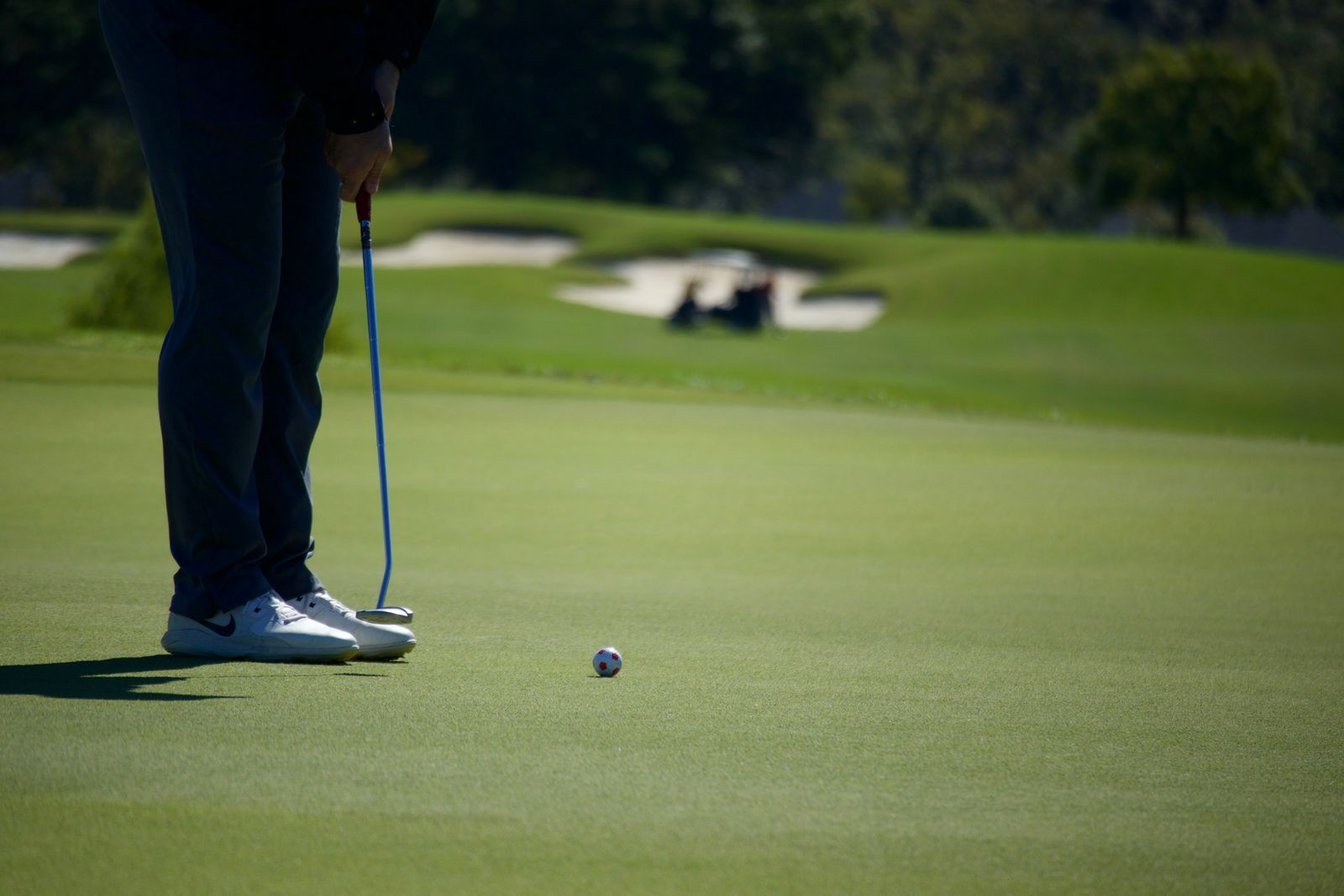
Keep the journal small enough to use
A useful golf practice journal can fit on one page. Record what you attempted, what happened and what you want to try next. Start with one task rather than a complete assessment of your game. The aim is to make your next session more deliberate, not to produce impressive-looking numbers.
The routine below is an editorial suggestion for recreational practice. It is not a tested coaching program or a promise to lower your score. Adapt it to the space and equipment you already have.
Define a task you can repeat
Choose an activity with a clear beginning and end. For putting, that might mean rolling a fixed number of balls from a marked starting point toward a target on a suitable practice surface. Write down the starting position, target and number of attempts before you begin.
Keep balls, people and furniture out of the playing line. Use a space where the activity is allowed, and stop if the surface or surroundings make the exercise unsuitable. Do not make longer distances the default way to increase difficulty; a smaller task you can repeat is often easier to document.
Separate the setup from the result
Use five fields: date, task, setup, result and next step. The setup should include details that would matter if you tried to repeat the session, such as the surface and starting mark. The result should describe the thing you actually counted.
For example, “Four of ten rolls stopped inside my target area” is clearer than “Putting was much better.” That is an illustration of a journal entry, not a Play Greenly test result. If you changed the target halfway through, note the change instead of combining the attempts into a misleading comparison.
Write observations without turning them into conclusions
You can record what you noticed: rushed starts, an interrupted session, or a target that was difficult to judge consistently. Keep those observations separate from explanations you have not established. A different result on a different surface does not isolate the effect of a new club, ball or technique.
If you work with a coach, the journal can help you describe a question precisely. It should not replace personalized instruction or turn a single good session into proof that you have solved a problem.
End with one next step
Choose a next step small enough to carry out: repeat the same task, make the target easier to score, or ask a coach about a recurring difficulty. Avoid rewriting your entire routine after every session.
At the end of the week, review comparable entries together. Keep home putting separate from course results and specialty water practice. Those activities have different conditions and purposes. Mark gaps honestly; there is no need to invent a result for a day you did not practice.
Your first journal page can be simple: “What am I doing? How will I count it? What happened? What will I repeat?” Save that page with your equipment so the next session starts with a clear choice rather than a blank slate.