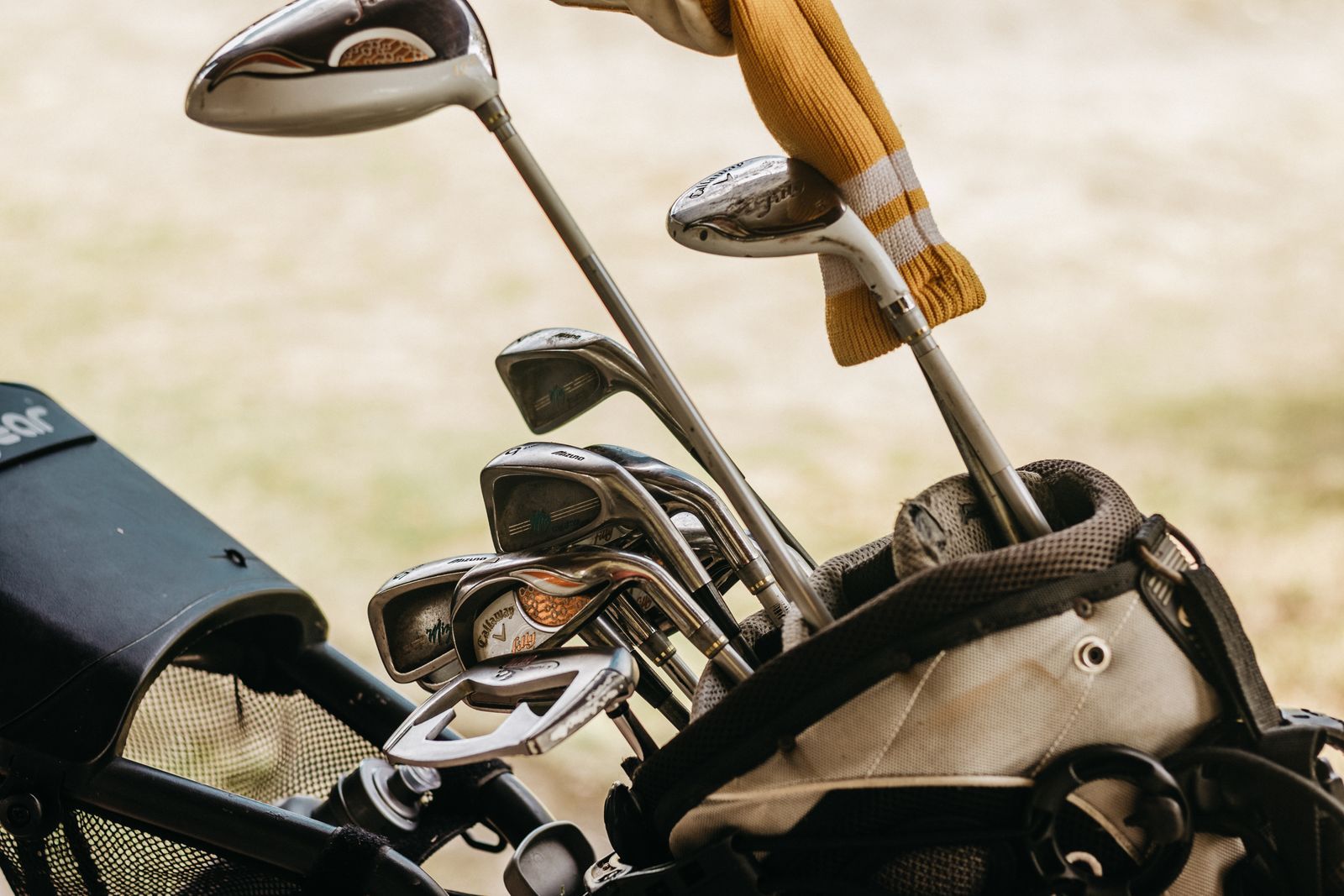
Review the kit before putting it away
A season-end golf kit review starts with a simple question: what do you actually want ready for your next round or practice session? Lay out the equipment you own, check its condition and give each item a next step. You do not need to replace something simply because the calendar changed.
Use four working categories: keep ready, care for, assess for repair, and consider passing on. These categories organize decisions; they do not establish that an item is safe or suitable for someone else to use.
Start with what you used
Look through your bag, practice accessories and stored supplies. Separate equipment for normal course play from items intended for a particular practice activity. Note what you used, what was repeatedly left behind and anything you borrowed because your own kit was incomplete.
Avoid treating a single unused item as proof it was a bad purchase. A change in schedule or access to a practice setting may explain why it stayed packed. Decide whether you have a realistic use for it next season before buying a replacement or passing it on.
Follow the item’s care instructions
Check the maker’s instructions before cleaning grips, clubheads, fabrics, mats or electronic accessories. Do not use one cleaning method for everything in the bag. If an item shows damage or a change you cannot assess, set it aside and seek appropriate advice before using it again.
A checklist can help you notice loose components, visible wear or missing parts, but it cannot certify equipment. Record the issue and the person or service you intend to ask. Keep a “needs assessment” item out of the ready-to-use pile.
Give specialty practice supplies their own check
Keep labeled packaging with specialty balls and other activity-specific equipment. Greenly's PVA-based, water-soluble practice golf balls are intended for the ocean and other bodies of water, in private or approved settings that follow local rules. They are not tournament balls and should not be mixed into a course kit without explanation.
Keep unused balls dry and follow product storage instructions. If condition has changed, do not invent a home repair or assume the ball will perform like an undamaged one. Contact the seller or manufacturer with a clear description of what you observed.
Do not use water solubility as a reason to clear unwanted inventory into water. An equipment review is a storage and purchasing decision, not a disposal permission.
Pass items on with an accurate description
Before offering equipment to a friend, club or local organization, ask whether they want it and what condition they accept. Describe missing parts, wear and any uncertainty honestly. Do not donate unusable equipment simply to move the disposal decision to someone else.
For items you cannot reuse or pass on, consult local waste guidance for the actual material and product. Avoid assuming that mixed-material equipment belongs in a household recycling bin. Local acceptance and product construction matter.
Finish with a short next-season list
Write down three things: equipment ready to use, decisions waiting on advice, and genuine gaps to reconsider before buying. Store that list with the kit.
When the next season arrives, start there instead of shopping from memory. The goal is a kit whose purpose and condition you understand—not a full replacement cycle or an unsupported claim about how much environmental impact you saved.