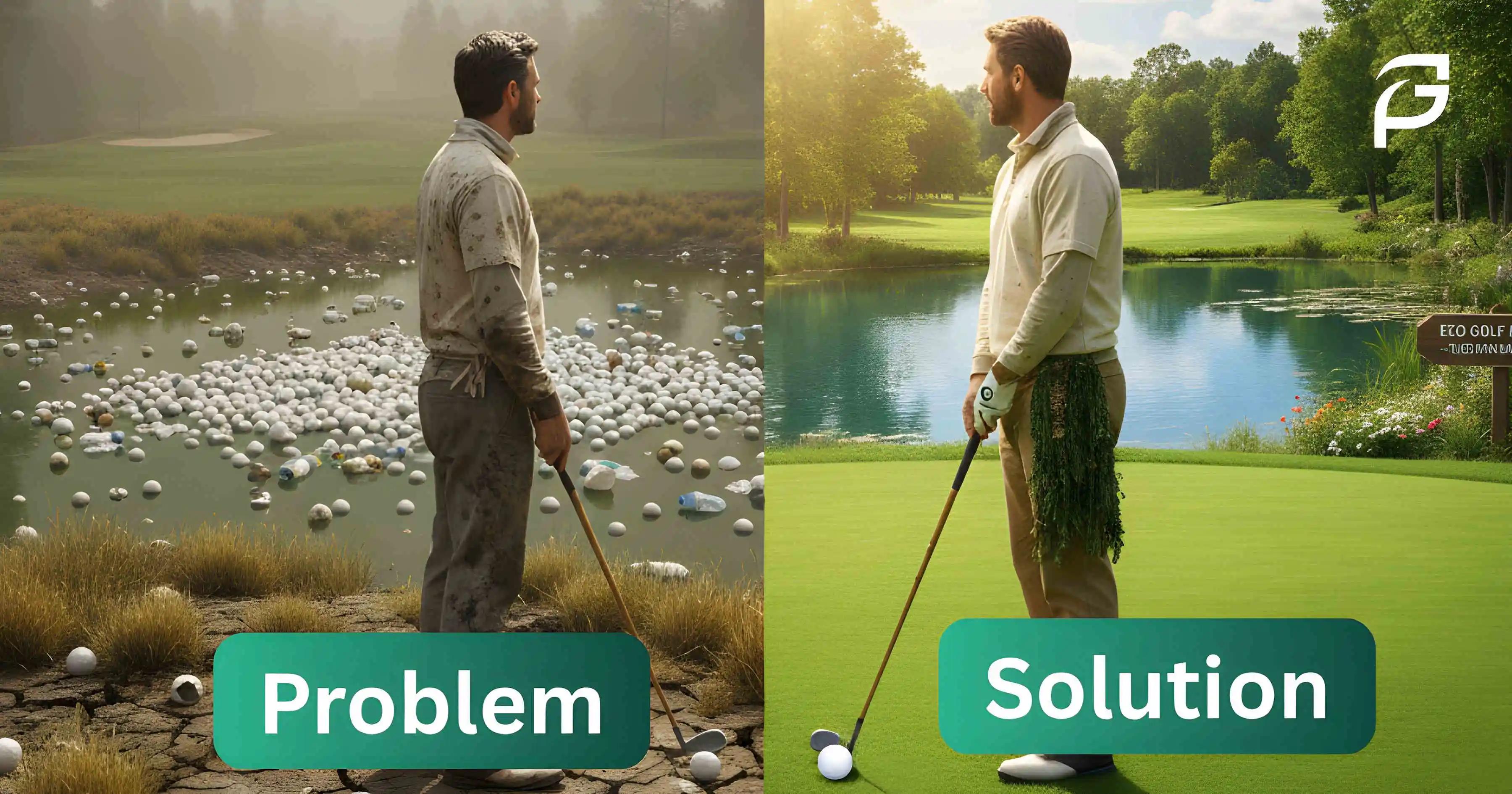
Golf often looks like the greenest game around, endless fairways, quiet ponds, and fresh air. But behind the beauty, the sport can sometimes place a heavy load on nature. Maintaining courses requires massive amounts of water, heavy chemical use, and even reshaping landscapes that once belonged to wildlife. Add in the plastic gear left behind, balls, tees, and apparel, and the game’s footprint gets even bigger than most players realize.
The good news? Golf doesn’t have to come at nature’s expense. With eco-friendly gear and smarter habits, players can enjoy the same swing, the same fun, and the same relaxation, all while reducing their impact. In this blog, we’ll look at how golf interacts with the environment and explore the simple changes that make the sport more sustainable for the future.
How Golf Courses Impact the Environment
Golf courses can be tough on nature if not managed responsibly. High water use, chemical treatments, and reshaped landscapes often put stress on local ecosystems.
Water usage and chemical dependency
Keeping grass bright green across hundreds of acres isn’t natural — it takes millions of gallons of water every year. On top of that, fertilizers and pesticides are often applied to keep turf perfect. While it looks great for play, this combination can drain local water supplies and send chemicals into surrounding soil and streams.

Habitat disruption for wildlife
Courses are often built in areas that were once home to birds, insects, and small mammals. Large stretches of turf replace natural vegetation, leaving fewer places for wildlife to thrive. Some animals adapt and share the space, but many lose their habitats altogether when courses aren’t designed with biodiversity in mind.
A beautiful fairway shouldn’t come at the expense of nature. The way courses are managed can either strain the environment or support it. With eco-conscious practices, like smart irrigation and native landscaping, golf can exist in harmony with its surroundings.
Did You Know?
An average 18-hole golf course can use over 2 million gallons of water per month just for irrigation, enough to supply hundreds of households.
The Role of Golf Equipment in Environmental Degradation
It’s not just the course, the gear golfers use also leaves a footprint. Traditional golf balls, plastic tees, and synthetic apparel can harm ecosystems when they end up in landfills or waterways.
Traditional golf balls and plastic waste
Most standard golf balls are built with a rubber core and a tough plastic shell. Once they’re lost in lakes or rough terrain, they can sit there for decades without breaking down. Over time, they may even break into smaller fragments, adding to the global microplastic problem. With millions of balls lost every year, the impact stacks up quickly.
Plastic tees and disposable gear
Golfers often go through piles of tees during a season, and most of those are made from plastic or cheap wood treated with chemicals. Add synthetic gloves, polyester polos, and other short-lived gear, and the pile of non-biodegradable waste grows. It’s easy to overlook, but these small pieces contribute significantly to golf’s overall footprint.
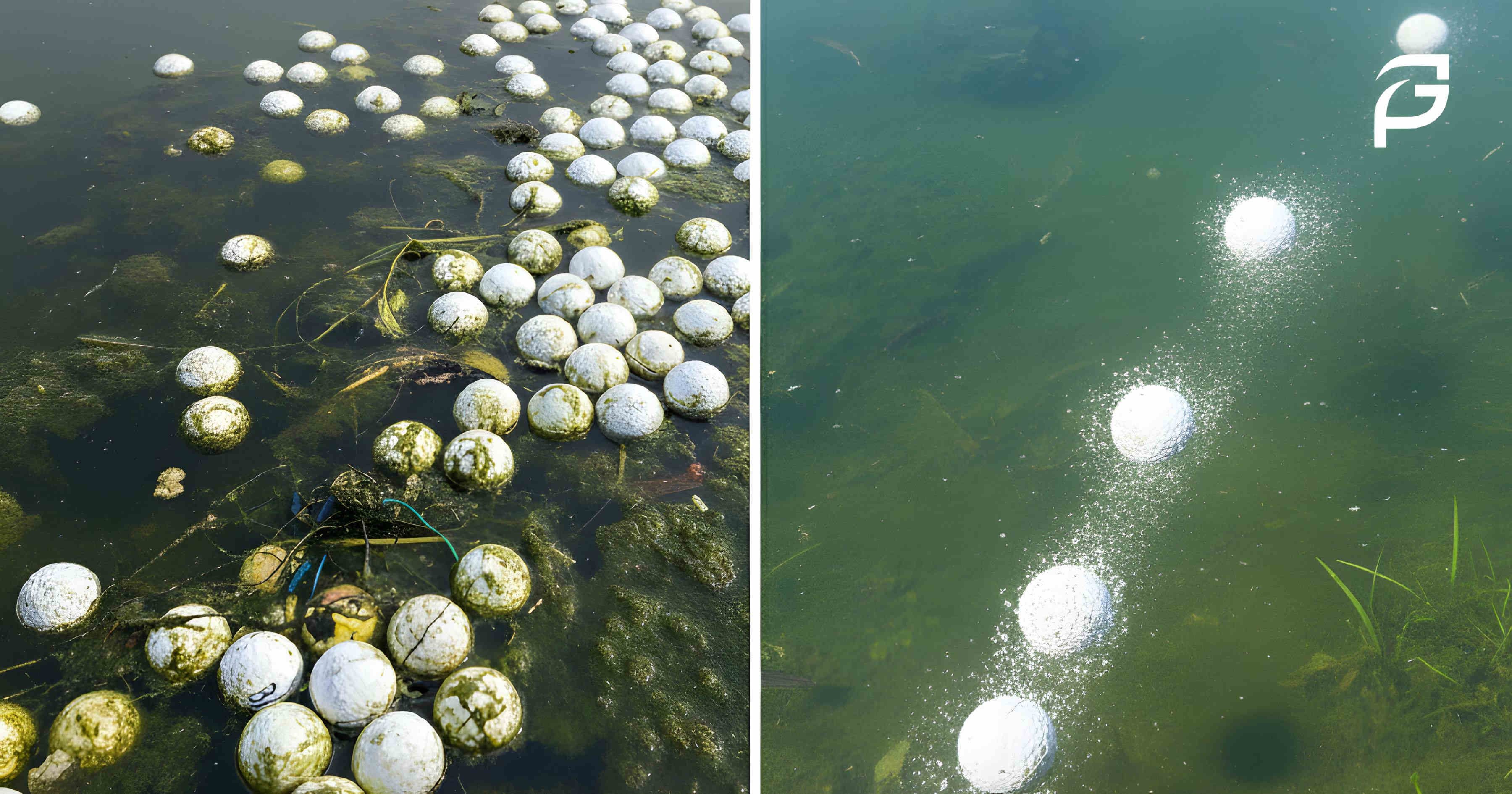
The gear we use doesn’t just shape our game, it shapes the planet’s future. Without eco-friendly alternatives, golf equipment becomes part of the long-term waste problem. But the good news is, greener options already exist.
Eco-Friendly Gear: A Sustainable Alternative
Eco gear gives golfers the same fun without the guilt. From biodegradable balls to compostable tees, these innovations keep the game eco-friendly while protecting nature.
Biodegradable golf balls
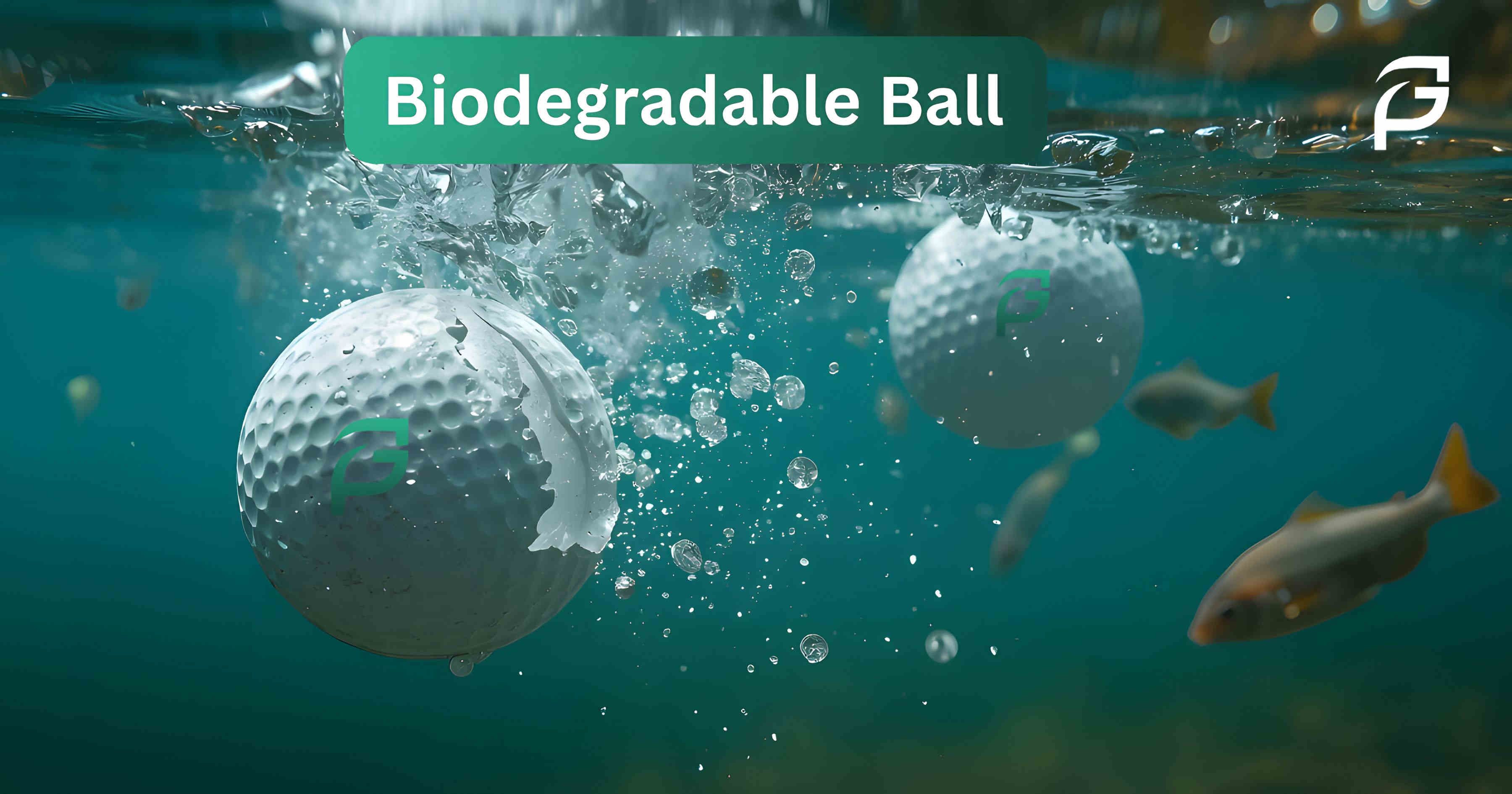
Unlike plastic balls that last for centuries, biodegradable balls are designed to dissolve safely in water or soil. PlayGreenly’s PVA-based formula, for example, breaks down in about two weeks in water, leaving behind nothing harmful for fish, plants, or soil. That means lakeside shots and backyard practice can be enjoyed without worrying about pollution.
Compostable tees and other gear
Swapping plastic tees for bamboo or cornstarch-based versions is a small change that makes a big difference. The same goes for apparel made with recycled fabrics and gloves crafted from plant-based materials. These alternatives don’t just reduce waste, they set a new standard for what sustainable golfing looks like.
Eco-friendly gear proves that performance and responsibility can go hand in hand. By choosing the right equipment, golfers can enjoy their favorite sport while knowing every swing supports a greener future.
Pro Tip:
When buying golf gear, look for brands that share independent eco-testing results, a “green” label means little without proof.
How Golfers Can Contribute to Environmental Conservation
The truth is, golf’s footprint doesn’t just come from the courses — it comes from us, the players. Every choice we make on the course adds up.
Smarter play habits
Think about it: do you really need to take the cart on a sunny day? Walking a few holes saves fuel, adds steps to your round, and honestly makes the game feel more connected to the outdoors. Same goes for those “just for fun” lake shots — they might look cool in the moment, but lost balls create a mess for nature. Little things like collecting broken tees or sharing rides to the course may not feel huge, but stack them up over time and they’re game-changers.

Choosing sustainable equipment
Gear is where golfers can really make a statement. A biodegradable ball still gives you that crisp swing feel without sitting in a pond for centuries. Compostable tees snap and break just like the plastic ones — except they don’t stick around forever. And when you support brands that are open about their eco practices, you’re basically voting with your wallet. It shows the industry that golfers care about more than just distance and spin.
At the end of the day, every golfer has a role to play. The way you tee it up, the gear you choose, the habits you keep, all of it shapes the future of the game. Go green on the course, and you’re not just playing better golf… you’re keeping the sport alive for generations.
Why Eco-Friendly Golfing Matters for the Future
Golf isn’t just about the game today, it’s about the landscapes and ecosystems we leave behind for tomorrow.
Protecting local ecosystems
When golf courses go green, it’s not just about appearances. Using native plants, cutting back on chemicals, and switching to eco gear means cleaner ponds, safer soil, and healthier wildlife. Imagine walking a course where you hear birdsong instead of mower engines, where butterflies thrive because pesticides aren’t killing their food supply. That’s what eco-friendly golf creates, spaces that are alive, not just trimmed and painted green.
Creating a culture of sustainability among golfers
Golfers talk. When players see biodegradable balls, compostable tees, or a course proudly displaying eco-certifications, it sparks conversations. And that ripple effect matters. Choosing eco gear isn’t just about you, it normalizes sustainability in the sport. The more golfers embrace it, the faster courses and brands follow suit.
Eco-friendly golfing is about more than just lowering water bills or reducing waste. It’s about building a future where golf and nature thrive together. By leading the way with sustainable choices today, golfers set the tone for the sport tomorrow, one where responsibility is as much a part of the game as the swing itself.
Play Green, Keep Golf Fun

Golf has always been about more than scorecards, it’s about the calmness of the course, the swing of the club, and the time shared with friends. But if the game leaves behind polluted ponds, wasted water, and piles of plastic, the joy fades.
Here’s the good part: it doesn’t have to be that way. Eco-friendly gear and smarter habits let golfers enjoy the same crisp drives and quiet fairways while protecting the very landscapes that make the sport beautiful.
The future of golf isn’t about choosing between fun and responsibility, it’s about proving they can go hand in hand. Every golfer who picks up biodegradable balls or compostable tees sends a message: the game we love can stay green, forever.
So the next time you tee up, ask yourself: is this swing just for me, or is it for the planet too?