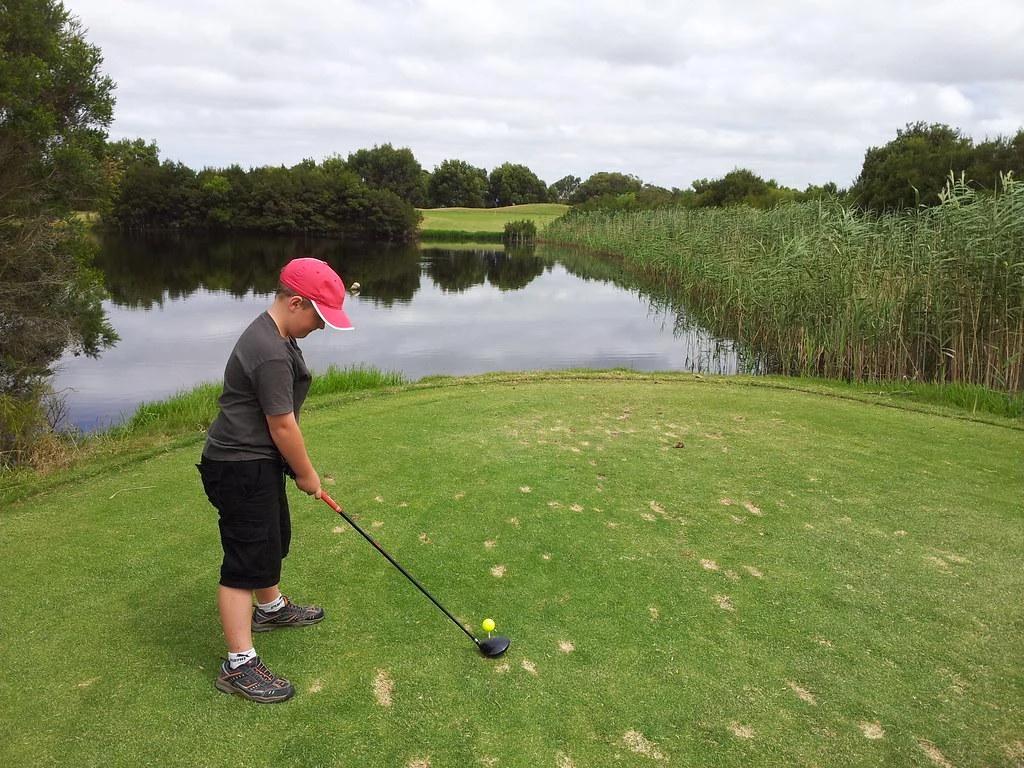
A shorter course still deserves a plan
For a first par-3 course visit, start with the facility’s answers: who the course suits, what equipment you need, how booking works, and what pace it expects. The label alone does not tell you whether a particular venue is the right fit for your group.
A par-3 outing can be a way to move from a practice area onto a course. Treat this as a planning checklist, not a promise that every short course is easy or that a round will take a particular amount of time.
Ask about the actual course
Look at the venue’s published hole information, then ask the staff which starting positions they recommend for a first visit. Find out whether the route includes water, bunkers, slopes, or walking requirements that matter to your group.
Ask whether beginners are welcome at your intended time and whether the facility offers an orientation. A quiet time suggested by staff can be more useful than guessing from a booking calendar. Confirm how many people can play together; do not assume a large group can stay in one party.
Check the equipment before packing
Ask whether each player needs a separate bag, whether rentals are available, and which balls and footwear the facility permits. If you plan to borrow equipment, check that it suits the person using it and that sharing is allowed.
Pack for the confirmed outing rather than copying someone else’s full bag. Bring the clubs you and the facility have agreed you need, permitted balls, and the ordinary personal items appropriate to the weather. A short course is still a golf course: it is not permission to use practice-only equipment or hit additional balls.
Agree on what a good first visit looks like
Your group might choose to learn the route, get comfortable taking turns, and finish with everyone wanting another visit. That is a clearer shared goal than expecting a particular score.
Ask staff how beginners should keep pace and what to do if a hole becomes difficult. Follow their guidance and let faster groups through when directed. Only play when the landing area is clear. Keep companions outside the swing area, and stop if staff close the course or direct players to shelter.
Use a booking note everyone can read
Before paying, write down the venue, date, start time, check-in instructions, player count, equipment arrangements, total quoted cost, cancellation terms, and contact person. Confirm which details are estimates and which are booked.
Send that note to the group. A useful final question is: “Does anyone need a different walking arrangement, equipment option, or start time?” Resolve it before arrival, when choices are easier to change.
Give the visit one simple follow-up
Afterward, ask each person what they enjoyed and what they would change. Save the venue-specific details you actually learned; do not turn one visit into a universal rule about short courses.
If someone would prefer a practice-area visit first, read our guide to a first driving-range visit and choose the next outing together.
Plan a first driving-range visit